Introduction
Percutaneous Endoscopic Gastrostomy (PEG) tubes have become an essential device in modern-day medicine, giving necessary nutrition to people who can not consume food by mouth. The correct administration of PEG tubes is important for making certain individual security and comfort, making it a necessary ability for nursing and assistance duties. This short article dives deep into the ins and outs of PEG tube management, encompassing every little thing from training to functional methods, and emphasizes the importance of appropriate take care of people counting on enteral nutrition.
PEG Tube Management: Necessary Skills for Nursing and Support Roles
What is PEG Feeding?
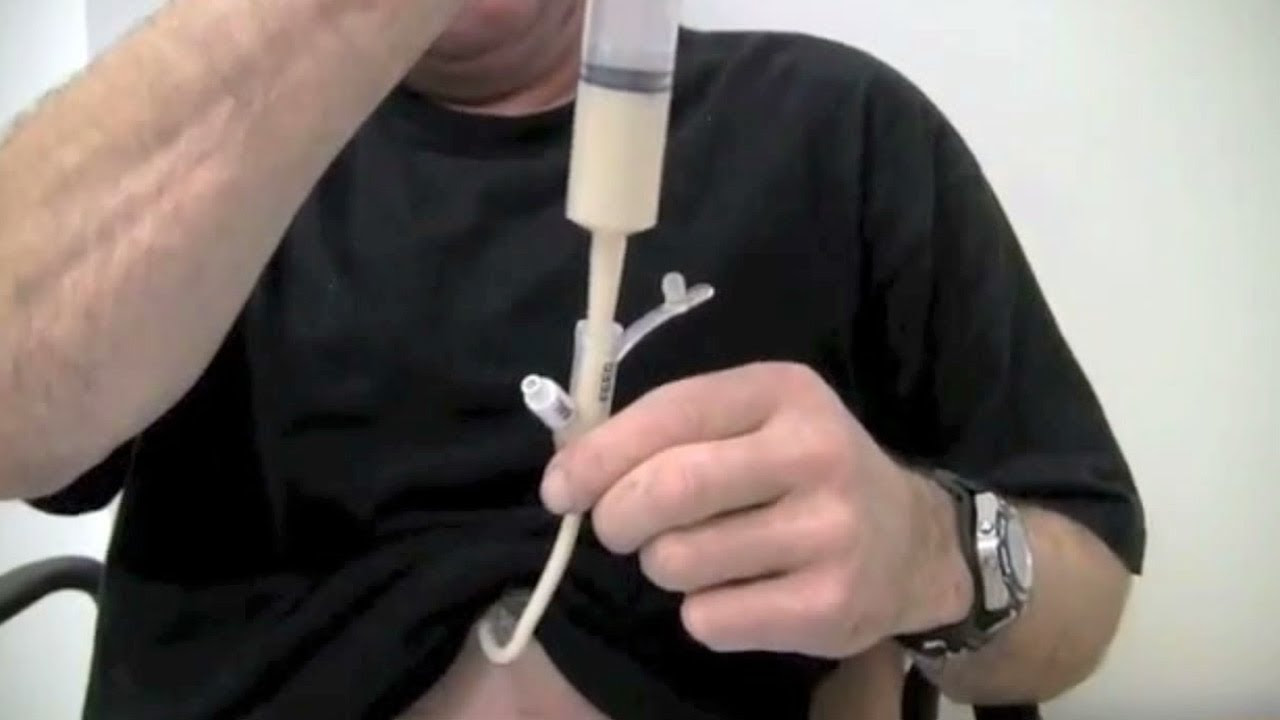
PEG feeding describes the process of supplying nutrition straight right into an individual's stomach through a tube placed by means of an endoscopic treatment. This method is typically used for people with swallowing difficulties as a result of different clinical conditions such as neurological problems, cancers, or strokes.
Why Usage PEG Feeding?
- Nutritional Support: Supplies necessary nutrients when dental intake isn't possible. Improved Top quality of Life: Clients can preserve their dietary needs without invasive methods. Home Care: Assists in at-home care alternatives for patients requiring ongoing support.
The Relevance of Training in PEG Tube Management
Training is extremely important in the realm of healthcare, especially worrying treatments like PEG tube administration. Registered nurses and assistance employees have to be appropriately geared up with knowledge regarding enteral feeding strategies and issues that might arise.
NDIS PEG Feeding Training
The National Impairment Insurance Scheme (NDIS) uses specialized training programs tailored to the special obstacles encountered by registered nurses and assistance workers managing enteral feeding. These programs are developed to enhance abilities in:
- Tube Placement: Recognizing how to correctly position a PEG tube. Feeding Techniques: Providing enteral nutrition safely.
Enteral Feeding Assistance Course
An enteral feeding support course offers thorough insurance coverage on numerous topics including:
Types of enteral feeds Administration methods Monitoring techniquesThese training courses are very useful sources for those associated with straight person care.
Essential Abilities Called for in PEG Tube Management
Understanding Enteral Nourishment Support
Enteral nutrition includes providing nutrients directly to the gastrointestinal tract. It's essential that healthcare specialists recognize just how this differs from parenteral nourishment (IV feeding).
Key Elements of Enteral Nutrition:
Macronutrients (proteins, fats, carbohydrates) Micronutrients (vitamins and minerals) Water balance Caloric requirementsCorrect Positioning Methods for PEG Tubes
Proper placement is ndis peg feeding training necessary in ensuring that television works successfully without creating harm or discomfort.
Steps Involved in Correct Positioning:
Preparation: Gather all needed equipment. Insertion: Adhere to sterile methods during insertion. Confirmation: Check placement using pH testing or imaging studies.Maintenance of PEG Tubes
Regular upkeep guarantees that tubes continue to be patent and functional.
Daily Care Protocols Include:
- Cleaning around the stoma site Monitoring for indications of infection Flushing television with water prior to and after feeds
Recognizing Difficulties Related to PEG Tubes
Complications can occur even with appropriate administration; hence it's essential to recognize what to watch out for.
Infection at the Stoma Site Tube Displacement BlockageBeing attentive concerning these issues can prevent further difficulties down the line.
Training Alternatives Offered for Medical Care Professionals
Overview of PEG Training Courses
There are various training programs readily available especially made for healthcare specialists aiming to boost their skills in taking care of PEG tubes effectively.
Types of Training Courses:
Peg Training for Nurses- Focused on medical application and client treatment strategies.
- Tailored web content focusing on sensible abilities needed in home care settings.
- Localized offerings supplying understandings right into Australian healthcare standards.
Benefits of Enrolling in Peg Feeding Training
Participating in specialized training programs benefits medical care specialists dramatically by equipping them with current methods rooted in research-backed methodologies.
Practical Strategies for Effective PEG Tube Management
Administering Enteral Feeds Safely
Administering feed needs cautious attention to technique and health to minimize threats related to feeding through a tube.
Best Practices Include:
Verify tube placement before each feed. Use aseptic method throughout preparation. Monitor individual tolerance throughout administration.Monitoring Patient Feedback During Feeding
Monitoring exactly how people respond throughout feeding sessions assists minimize possible risks while additionally improving overall convenience levels.

Key Indicators to Observe:
- Signs of distress or discomfort Vomiting or regurgitation Changes in important indications
Special Factors to consider When Managing PEG Tubes
Modified Diet regimen Program Based upon Individual Needs
Not every patient will have the very same dietary requirements; thus recognizing these variants is key.
Factors Influencing Dietary Modifications:
Age and weight Underlying clinical problems Personal choicesPsychological Aspects of Clients Calling For PEG Feeds
Patients might experience anxiousness or anxiety concerning their feeding approaches; dealing with these worries holistically boosts treatment quality.
FAQs about PEG Tube Management
What is a PEG Tube?
A Percutaneous Endoscopic Gastrostomy (PEG) tube is an adaptable tube put into the tummy through an endoscopic treatment to supply nutrition directly when dental consumption isn't possible.
How long can an individual continue to be on a PEG feed?
Patients can remain on a PEG feed as long as clinically essential, but routine analyses have to guarantee ongoing suitability based upon dietary needs and overall health status.
Can I carry out medicines via a PEG tube?
Yes, medications can be provided via a PEG tube; however, they ought to be fluid whenever feasible or properly crushed if strong types are utilized-- constantly consult standards concerning details drugs first!
What ought to I do if my individual's tube ends up being dislodged?
If a tube comes to be dislodged, do not attempt re-insertion on your own! Instead, seek instant clinical help while making sure that your patient remains comfortable till help arrives.
Are there any age restrictions regarding who can obtain a PEG tube?
No details age limitations exist; nevertheless, professional judgment needs to assist decisions based on underlying health problems instead of age alone.

How often must I change dressings around the stoma site?
Dressings need to generally be altered day-to-day or if they become damp or soiled-- but always comply with certain procedures set forth by your health care facility!
Conclusion
In final thought, understanding the art of PEG Tube Management is important within nursing and support roles-- incorporating academic knowledge with practical skills makes sure individual safety while enhancing their lifestyle with efficient enteral nutrition support systems like PEG feeds Continual education via methods such as ndis peg feeding training or enteral feeding assistance courses remains vital as we navigate this complicated yet fulfilling area with each other! Regularly freshening these abilities guarantees optimum care distribution while cultivating confidence among professionals working with prone populaces reliant on these essential treatments-- the journey is recurring however immensely vital!